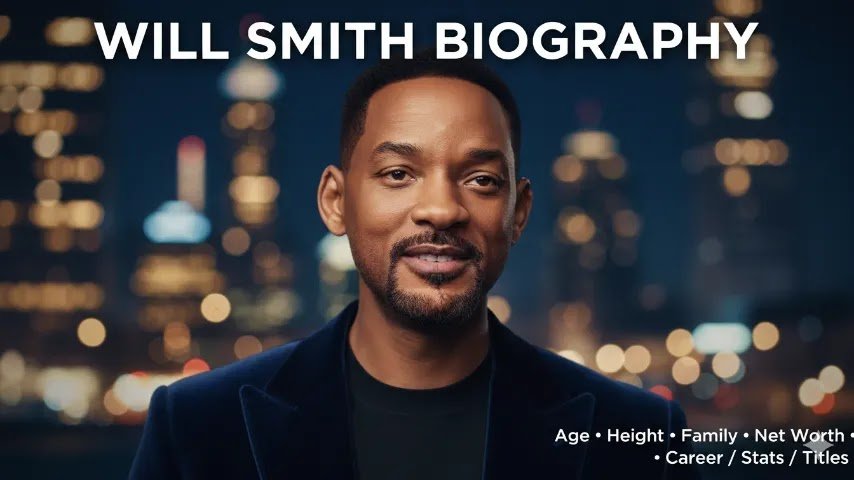
The Real Reason Will Smith Turned Down These 5 Massive Movie Roles
Will Smith is one of Hollywood’s most bankable stars, known for his charisma, box office appeal, and carefully curated career choices. Yet, despite his success, there are several iconic roles he walked away from roles that later became cultural landmarks. The real reasons behind these decisions reveal more about Smith’s values, instincts, and artistic philosophy than many fans realize.
From sci-fi epics to Oscar-winning dramas, Smith has passed on some of the most defining performances in modern cinema. His choices weren’t always about money or timing they often reflected deeper personal and creative convictions. Understanding why he said “no” offers a rare glimpse into the mind of a star who prioritizes meaning over momentum.
Key Takeaways
- Will Smith turned down Inception because he found the plot too confusing and couldn’t connect with its alternate-reality premise.
- He rejected The Matrix partly due to concerns about being typecast in sci-fi and doubts about the film’s commercial potential.
- Smith declined Django Unchained because he felt the role lacked emotional depth and wasn’t centered on love or redemption.
- His decisions reflect a consistent pattern: prioritizing storytelling that aligns with his personal values over box office potential.
- Despite regrets, Smith stands by his instincts, emphasizing authenticity and emotional truth in his career choices.
The Matrix (1999): A Role That Could Have Redefined His Career
In 1999, the Wachowskis offered Will Smith the lead role of Neo in The Matrix, a film that would go on to revolutionize action cinema and spawn a global franchise. At the time, Smith was riding high on the success of Men in Black and Independence Day, making him a natural fit for the sci-fi epic.
However, Smith reportedly turned down the role because he feared being pigeonholed as a science fiction actor. He also expressed skepticism about the film’s complex philosophical themes and unconventional narrative structure. “I didn’t get it,” Smith later admitted in interviews, acknowledging that the story’s layered reality concept was difficult for him to grasp.
The role ultimately went to Keanu Reeves, whose portrayal of Neo became iconic. Smith has since called the decision one of his biggest career regrets. “I’m not proud of it, but it’s the truth,” he said in a 2020 interview. Still, he maintains that his choice was rooted in self-awareness he didn’t want to commit to a project he didn’t fully understand or believe in.
Inception (2010): When Complexity Became a Barrier
Christopher Nolan approached Will Smith with the lead role in Inception in 2009, envisioning him as Dom Cobb, the emotionally tormented extractor navigating dreams within dreams. The film’s intricate plot and high-concept sci-fi elements made it a challenging pitch even for an A-list star.
Smith turned it down because he simply “didn’t get it.” In multiple interviews, including a 2018 appearance on The Graham Norton Show, he explained that movies involving alternate realities or layered consciousness didn’t resonate with him. “Movies that go into alternate realities don’t pitch well,” he said, emphasizing his preference for emotionally grounded narratives.
The role eventually went to Leonardo DiCaprio, whose performance earned critical acclaim and helped cement Inception as a modern classic. Smith has admitted the decision still “hurts,” especially given the film’s massive success and cultural impact. Yet, he stands by his reasoning: if he can’t connect with a story on an emotional level, he won’t commit to it no matter how prestigious the project.
Django Unchained (2012): A Clash of Vision and Values
Quentin Tarantino wrote Django Unchained with Will Smith in mind for the titular role of Django, a freed slave on a mission of vengeance and justice. The part was tailor-made for Smith’s star power and dramatic range, offering a rare opportunity to lead a serious, historically charged Western.
But Smith declined, citing creative differences. According to industry sources and Smith’s own comments, he felt the story leaned too heavily into violence as a solution. “It had to be a love story, not a vengeance story,” he said in a 2013 interview. “I just couldn’t connect to violence being the answer. Love had to be the answer.”
The role went to Jamie Foxx, who delivered a powerful performance alongside Christoph Waltz, whose portrayal of Dr. King Schultz earned him an Academy Award. Some reports suggest Smith also hesitated because Waltz’s character had more depth and screen time, making it a less central role than he preferred. Still, Smith has never publicly criticized the film, acknowledging its artistic merit while standing firm on his personal storytelling principles.
Other Notable Roles: Ghost Rider and Superman
Beyond these three major films, Smith has turned down several other high-profile roles. In the early 2000s, he was considered for Ghost Rider, a Marvel property centered on a demonic antihero. Smith reportedly passed because the character’s dark, supernatural themes didn’t align with his brand of uplifting, family-friendly entertainment.
He was also approached to play Superman in the early 2000s, a role that eventually went to Brandon Routh in Superman Returns (2006). Smith expressed interest but ultimately declined, citing concerns about the physical demands and the pressure of embodying such an iconic character. “I didn’t feel ready,” he said in a 2015 interview. “It’s not just about strength it’s about soul.”
What These Decisions Reveal About Will Smith’s Career Philosophy
Will Smith’s pattern of turning down major roles isn’t about missed opportunities it’s about intentionality. Throughout his career, he has prioritized projects that align with his core values: positivity, emotional authenticity, and universal themes of love and redemption.
His refusal to take on roles centered on vengeance or moral ambiguity reflects a deliberate choice to maintain a certain public image. Smith has often spoken about the importance of being a role model, especially for young audiences. This mindset influenced his decisions, even when it meant passing on potentially career-defining performances.
Moreover, Smith trusts his instincts above industry pressure. Whether it’s rejecting a Nolan film or a Tarantino script, he emphasizes the need to “feel” a story before committing. “If I don’t understand it, I can’t sell it,” he once said. This gut-driven approach has served him well, leading to hits like Fresh Prince of Bel-Air, Ali, and The Pursuit of Happyness.
Regrets and Reflections: Does Smith Wish He’d Said Yes?
In recent years, Smith has become more candid about his regrets. He’s called turning down The Matrix and Inception “painful” mistakes, acknowledging the cultural impact these films had. “I was wrong,” he admitted in a 2021 interview. “But I was honest with myself at the time.”
Still, he doesn’t believe in dwelling on the past. “Every ‘no’ led me to a ‘yes’ that was better for me,” he said. For example, after passing on The Matrix, he starred in Wild Wild West a film that flopped but allowed him creative control. Later, he rebounded with I Am Legend, a project that resonated deeply with his themes of isolation and hope.
Smith’s journey underscores a broader truth: success isn’t just about saying “yes” to big opportunities. It’s about saying “no” to the wrong ones. His choices, while sometimes controversial, reflect a commitment to authenticity over fame.
The Bigger Picture: Why These Roles Matter
The roles Will Smith turned down didn’t just shape his career they shaped cinema. The Matrix redefined action choreography and digital effects. Inception pushed the boundaries of narrative structure. Django Unchained sparked conversations about race, history, and justice.
Yet, Smith’s absence from these films doesn’t diminish his legacy. If anything, it highlights the diversity of paths to stardom. While others chased cultural milestones, Smith focused on personal resonance and in doing so, built a career that feels uniquely his own.
His story is a reminder that even the biggest stars face uncertainty. No one can predict a film’s success, and no amount of star power guarantees a hit. What matters is staying true to your vision, even when the world is watching.
Conclusion: The Power of Saying No
Will Smith’s career is a masterclass in selective ambition. By turning down some of Hollywood’s most coveted roles, he demonstrated that success isn’t measured by box office numbers alone it’s measured by integrity, intention, and emotional truth.
His decisions, though sometimes regretted, reflect a deeper commitment to storytelling that uplifts and inspires. In an industry often driven by trends and typecasting, Smith’s willingness to walk away from fame in favor of meaning is both rare and refreshing.
As he continues to evolve as an artist whether through film, music, or personal growth one thing remains clear: Will Smith doesn’t just act in stories. He lives by them.
Frequently Asked Questions
Why did Will Smith turn down The Matrix?
Smith turned down the role of Neo because he feared being typecast in sci-fi and didn’t fully understand the film’s complex narrative. He later called it one of his biggest regrets.
Did Will Smith really reject Inception?
Yes. Christopher Nolan offered him the lead role, but Smith declined because he found the plot too confusing and couldn’t connect with its alternate-reality concept.
Why didn’t Will Smith star in Django Unchained?
Smith felt the story emphasized vengeance over love and redemption. He also reportedly believed Christoph Waltz’s role was more compelling, making it less appealing as a lead.
Has Will Smith ever regretted turning down these roles?
Yes. In multiple interviews, he has expressed regret over passing on The Matrix and Inception, calling the decisions “painful” but standing by his instincts at the time.
What roles did Will Smith accept instead?
After turning down these films, Smith starred in projects like I Am Legend, Men in Black, and The Pursuit of Happyness films that aligned with his values and resonated with global audiences.