The Hiddleston Evolution
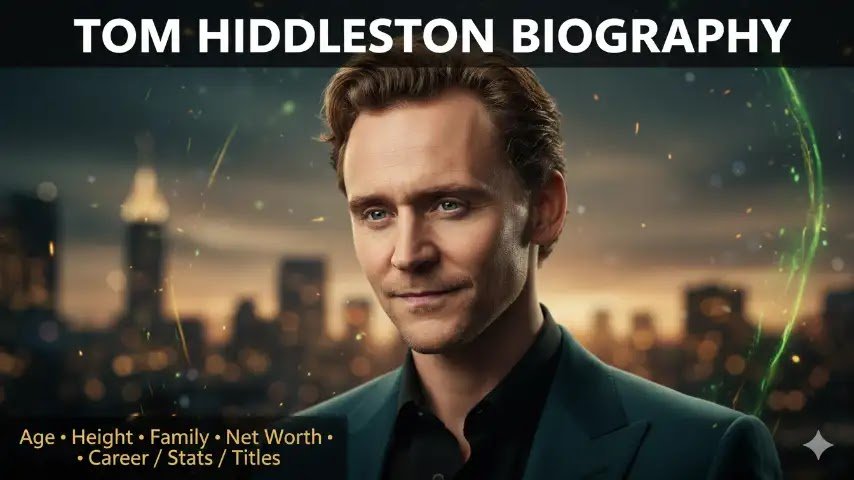
When Tom Hiddleston first donned Loki’s horned helmet in 2011’s Thor, few could have predicted the cultural phenomenon his performance would become. Over the course of 12 years and multiple Marvel Cinematic Universe (MCU) appearances, Hiddleston has redefined what it means to play a villain transforming Loki from a scheming antagonist into one of the most emotionally resonant characters in modern superhero storytelling.
His journey began with a simple premise: to serve as the foil to Chris Hemsworth’s Thor. Yet, from the very first scene, Hiddleston infused Loki with a rare blend of charm, vulnerability, and tragic grandeur. According to industry sources, director Kenneth Branagh was immediately struck by Hiddleston’s audition, noting the actor’s ability to convey both menace and melancholy in a single glance.
Key Takeaways
- Tom Hiddleston’s portrayal of Loki has evolved over 12 years, transforming the character from a villain into a complex antihero beloved by fans worldwide.
- Hiddleston’s deep research into Norse mythology, Marvel comics, and emotional storytelling has been pivotal in shaping Loki’s multidimensional arc.
- The success of the Loki Disney+ series marked a full-circle moment, allowing Hiddleston to explore the character’s inner turmoil and redemption.
- Despite Loki’s apparent fate in Season 2, Hiddleston has hinted that the God of Mischief’s story may not be over thanks to the multiverse.
From Villain to Antihero: The Evolution of Loki
Loki’s transformation across the MCU is one of the most compelling character arcs in cinematic history. Initially introduced as the jealous half-brother seeking power and validation, Loki quickly evolved into a figure of profound complexity. Hiddleston’s nuanced performance allowed audiences to see beyond the mischief revealing a character shaped by abandonment, identity crisis, and a desperate need for belonging.
In The Avengers (2012), Loki’s invasion of Earth showcased his cunning and theatrical flair. Yet, it was in Thor: The Dark World (2013) that Hiddleston began to peel back the layers, particularly in scenes where Loki grapples with his relationship with Odin and Thor. The emotional depth he brought to these moments laid the foundation for future developments.
By the time Thor: Ragnarok (2017) arrived, Loki had shifted from outright villainy to a reluctant ally. Taika Waititi’s comedic tone allowed Hiddleston to explore Loki’s wit and adaptability, but it was the quieter moments especially the elevator scene where Thor admits he’s given up on his brother that revealed the character’s emotional core. “Loki learns nothing hurts like apathy,” Hiddleston reflected in a 2022 interview, referencing that pivotal moment.
The Birth of the Loki Series: A New Chapter
The launch of the Loki Disney+ series in 2021 marked a turning point in Hiddleston’s career and the character’s legacy. As both lead actor and executive producer, Hiddleston had unprecedented creative input into Loki’s story. The series explored alternate timelines, multiversal chaos, and the psychological toll of immortality themes that deepened the character’s mythos.
In a 30-minute Q&A session following a screening, Hiddleston described the series as “a love letter to Loki fans.” He emphasized how the show allowed him to explore the character’s loneliness, self-doubt, and yearning for purpose. “Loki is a comfort character for so many people,” he shared. “He’s flawed, he’s funny, he’s broken and he keeps trying.”
The second season of Loki, which concluded in 2023, brought the character’s journey to a poignant climax. In a dramatic finale, Loki sacrifices his freedom to hold the multiverse together, becoming a living tree of time. While this appeared to be a definitive end, Hiddleston has since hinted that Loki’s story may not be over. In a 2024 interview, he noted that Loki can astral project, suggesting the character may still exist beyond physical confines.
The Research Behind the Performance
One of the secrets to Hiddleston’s success lies in his meticulous preparation. From the beginning, he immersed himself in Norse mythology, studying the original myths to understand Loki’s roots as a trickster god. He also delved into Marvel comics, analyzing how the character had been portrayed across decades of storytelling.
Hiddleston’s commitment to authenticity extended to his physicality. He worked with dialect coaches to perfect Loki’s accent a blend of British Received Pronunciation and regal cadence and trained in stage combat to bring credibility to the character’s fight scenes. His dedication earned praise from co-stars and directors alike, with Owen Wilson calling him “the most prepared actor I’ve ever worked with.”
Beyond research, Hiddleston brought emotional intelligence to the role. In past interviews, he has spoken about drawing from personal experiences of alienation and the search for identity. “Loki is always asking, ‘Who am I?’” Hiddleston explained. “That’s a question we all grapple with.”
Loki’s Cultural Impact and Fan Connection
Over the past 12 years, Loki has become more than a Marvel character he’s a cultural icon. Fans have embraced his complexity, quoting his lines, cosplaying his looks, and finding solace in his struggles. Hiddleston has often spoken about the profound connection he feels with audiences.
“People tell me Loki helped them through dark times,” he said during a 2022 roundtable discussion. “That means more to me than any award.” His portrayal has resonated particularly with LGBTQ+ fans, many of whom see in Loki a reflection of their own journeys of self-acceptance and transformation.
The Loki series amplified this connection. By exploring themes of identity, choice, and redemption, the show invited viewers to see themselves in the God of Mischief. Hiddleston’s performance equal parts tragic and triumphant anchored the series in emotional truth.
The Future of Loki: What’s Next?
With Loki seemingly sacrificing himself at the end of Season 2, many fans wondered if Hiddleston’s journey as the character had concluded. However, the multiverse leaves room for endless possibilities. In a rapid-fire interview on The Tonight Show, Hiddleston playfully dodged questions about Loki’s return, saying only, “Never say never.”
Industry insiders speculate that Loki could appear in future MCU projects, possibly in Avengers: Secret Wars or a third season of the series. Hiddleston himself has remained open to the idea. “Loki is a survivor,” he told ET in 2023. “He’s been dead more times than I can count.”
Moreover, Hiddleston’s role as executive producer gives him a say in the character’s future. His deep understanding of Loki’s psyche ensures that any continuation would honor the character’s evolution.
A Legacy Forged in Mischief and Meaning
Tom Hiddleston’s 12-year journey as Loki is a masterclass in character development and actor dedication. What began as a supporting role in a superhero origin story has blossomed into one of the most enduring and beloved figures in modern pop culture.
Through research, emotional depth, and a genuine connection with fans, Hiddleston has redefined Loki not just as a god of mischief, but as a symbol of resilience, transformation, and the enduring power of storytelling.
As the MCU continues to expand, one thing remains certain: Loki’s legacy, like the multiverse he now holds together, is far from over.
Frequently Asked Questions
How long has Tom Hiddleston played Loki?
Tom Hiddleston first appeared as Loki in 2011’s Thor and has portrayed the character for over 12 years, spanning multiple films and two seasons of the Loki Disney+ series.
Will Tom Hiddleston return as Loki?
While Loki’s fate at the end of Season 2 suggests a conclusion, Hiddleston has hinted that the character’s story may continue, especially given the multiverse’s infinite possibilities.
What makes Loki such a popular character?
Loki’s popularity stems from his complexity his blend of humor, vulnerability, intelligence, and moral ambiguity resonates with audiences on a deep emotional level.
Did Tom Hiddleston have creative input in the Loki series?
Yes, Hiddleston served as both lead actor and executive producer on the Loki series, giving him significant influence over the character’s development and story arc.
What inspired Tom Hiddleston’s portrayal of Loki?
Hiddleston drew from Norse mythology, Marvel comics, and personal reflections on identity and belonging to create a layered and authentic performance.
Is Loki really dead after Season 2?
While Loki sacrifices his freedom to stabilize the multiverse, the show establishes that he can astral project, leaving open the possibility of his return in future MCU projects.